
Culvert Installation Services in Northern California
Property development and driveway construction in Northern California often intersect natural drainage patterns. Seasonal creeks, runoff channels, and drainage swales don’t disappear when you build—they require infrastructure that allows water to flow while providing stable access. Installing culverts correctly from the start prevents the flooding, erosion, and access problems that plague properties where drainage was an afterthought.
A properly designed drainage system with adequate culverts integrates seamlessly with new construction. The culvert handles expected water volumes, maintains natural drainage patterns, and supports road or driveway loads without settling or failure. Getting it right during initial construction costs far less than retrofitting inadequate drainage after problems develop.
When New Culvert Installation Is Required
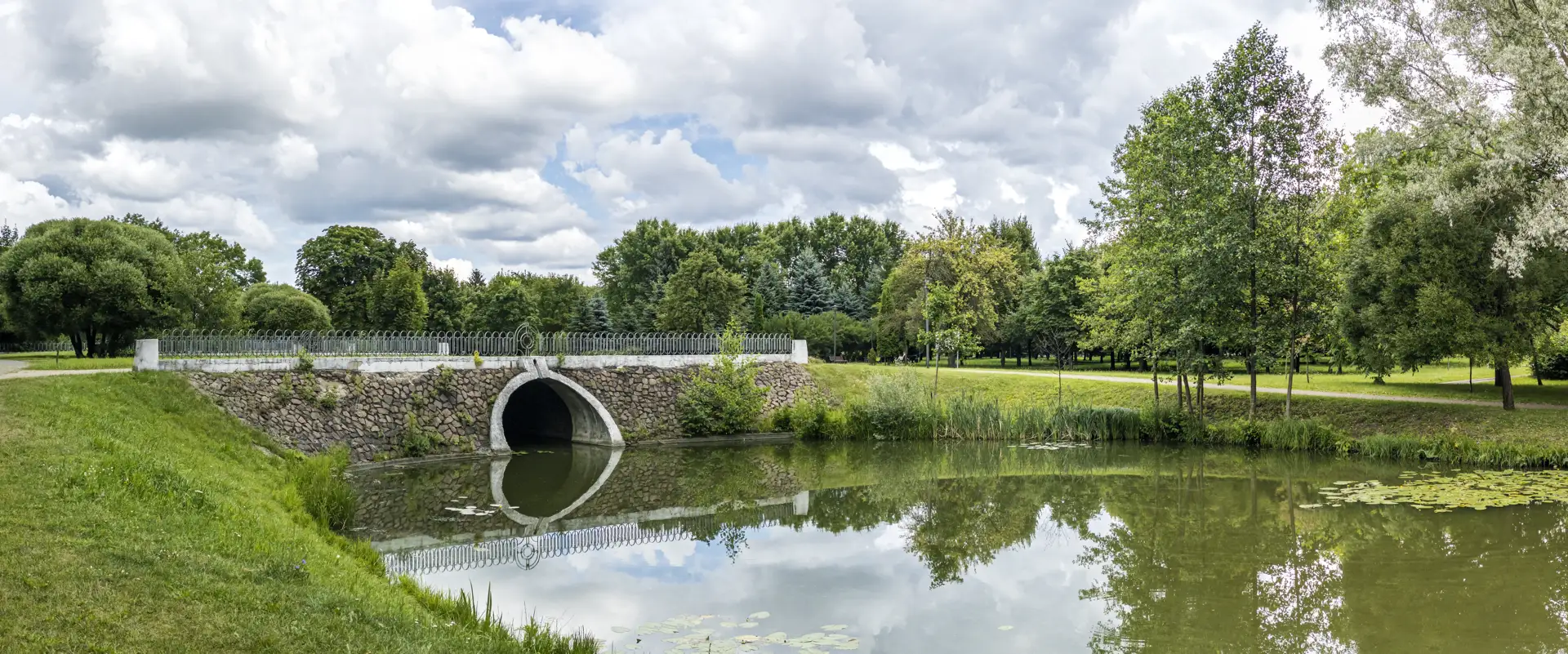
New driveway construction across drainage paths requires culvert installation. Whether crossing a seasonal creek, dry wash, or drainage swale, the culvert maintains water flow while providing stable access. Many rural and suburban properties in Northern California’s foothill areas face this requirement.
Property development often needs culverts for internal roads, drainage management, or access routes. Subdividing land, creating new building sites, or developing previously undeveloped parcels typically involves culvert infrastructure as part of site preparation.
Projects requiring culvert installation:
- New driveway construction crossing drainage areas
- Private road development on multi-parcel properties
- Site preparation for building construction
- Agricultural access roads and infrastructure
- Compliance with drainage easements or covenants
- Restoring natural drainage interrupted by previous development
Municipal requirements may mandate culverts for new construction. Many counties require culvert installation when driveways cross drainage easements, county-maintained ditches, or areas with defined water flow. Permits typically require engineered plans showing adequate sizing and proper installation.
Flood zone properties face additional scrutiny. Development in FEMA-designated flood areas requires demonstrating that culverts won’t increase flood risk to adjacent properties or downstream areas. This demands proper hydrologic analysis and conservative sizing.
Proper Culvert Sizing and Design
Undersized culverts fail during storms. The most common and costly mistake in culvert installation is choosing pipe diameter based on minimal cost rather than actual drainage requirements. A 12-inch culvert costs less than 18-inch, but when 18-inch is needed, the smaller pipe eventually causes flooding and requires replacement.
Proper sizing requires hydrologic analysis. We evaluate watershed area, terrain slopes, soil types, vegetation, and rainfall patterns to calculate peak flow volumes. The culvert must handle not just typical flow but design storm events—typically the 25-year or 50-year storm depending on jurisdictional requirements.
Pipe material selection affects longevity and performance. Reinforced concrete pipe offers longest service life and superior strength for heavy loads. HDPE plastic pipe provides corrosion resistance and flexibility for certain applications. Corrugated metal pipe remains economical where appropriate, though lifespan is shorter in continuously wet conditions.
Slope requirements ensure proper flow and sediment transport. Minimum 2% grade prevents standing water and sediment accumulation. Steeper slopes may be needed for effective drainage in flat terrain or to match natural channel grades.
Our Culvert Installation Process
New culvert installation integrates with driveway construction, site development, or road building. Our comprehensive capabilities mean we coordinate culvert work with related construction rather than treating it as isolated infrastructure.
Site Analysis and Engineering
We evaluate drainage patterns, calculate flow requirements, and determine appropriate culvert sizing, material, and placement. This includes surveying to establish proper elevations and slope.
Permit Coordination
When required, we handle permit applications, engineering plan preparation, and coordination with local agencies. Many counties require permits for culverts crossing easements or affecting public drainage.
Excavation and Site Preparation
We excavate to required depth and width, providing stable working conditions and adequate space for proper installation. Excavation may require temporary erosion control or water diversion during construction.
Bedding Installation
We prepare compacted base or gravel bedding that supports the pipe uniformly along its length. Proper bedding prevents settling, maintains pipe alignment, and distributes loads from overlying fill and traffic.
Endwall Construction
Headwalls or endwalls are installed at inlet and outlet to protect soil around pipe ends and maintain structural stability. These may be precast concrete, poured-in-place concrete, or mortared stone depending on site conditions and aesthetic preferences.
Systematic Backfilling and Compaction
We backfill around and over the pipe in controlled lifts with proper compaction at each stage. This prevents pipe deflection, maintains alignment, and provides stable support for overlying road or driveway construction.
Erosion Control and Outlet Protection
We install riprap, energy dissipation structures, or other erosion control at outlets to prevent downstream damage. Concentrated flow from culverts can cause significant erosion without proper outlet protection.
Pipe Installation and Alignment
Culvert pipe is installed at engineered slope with proper joint connections. We verify grade throughout installation—precision matters for long-term drainage function.
Integration with Driveway and Road Construction
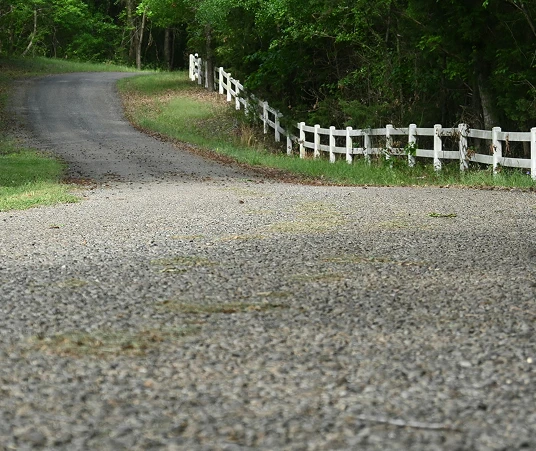
The most cost-effective approach coordinates culvert installation with overall site development. When we handle both driveway construction and culvert installation, the work proceeds efficiently without coordination delays or interface problems between separate contractors.
Culvert depth affects driveway profile and grading requirements. Planning these elements together ensures adequate cover over the pipe while maintaining acceptable driveway grades. Retrofit situations sometimes require compromises that proper initial planning avoids.
Timing matters for construction sequencing. Culverts typically install before final driveway surfacing but after rough grading establishes basic site contours. This allows proper compaction over the culvert before placing asphalt or final concrete surfaces.
Compliance and Permitting
County requirements vary but typically require permits for culverts crossing drainage easements or public right-of-way. Permit applications often need engineered plans showing culvert sizing, materials, slope, and erosion control measures.
Encroachment permits apply when culverts connect to county-maintained drainage systems or cross county road right-of-way. These require coordination with county engineering departments and compliance with their standards.
Environmental considerations may affect projects near waterways or sensitive habitats. Some areas require biological surveys, sediment control plans, or timing restrictions to protect fish spawning seasons.
We handle permit coordination, plan preparation, and agency communication as part of culvert installation projects. This ensures compliance while keeping projects on schedule.
The Noble Cortes Advantage™ for Culvert Installation
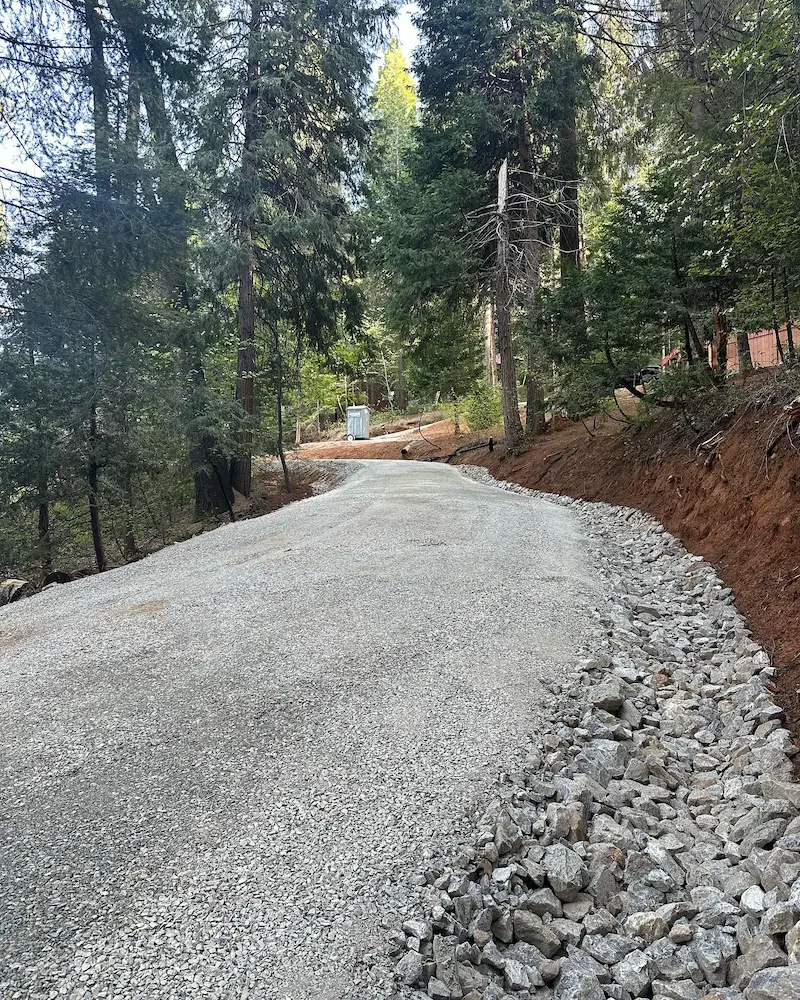
Our comprehensive capabilities in excavation, concrete work, and road construction mean we handle complete projects rather than just isolated culvert installation. When we build your driveway, we engineer and install the culvert infrastructure it requires.
Our master tradesmen with extensive drainage infrastructure experience execute culvert installations. They understand hydrologic principles, proper installation techniques, and regional conditions that affect long-term performance. This isn’t just pipe-laying—it’s engineering infrastructure that protects your property investment.
Single-source accountability eliminates finger-pointing between separate contractors. If you hire one company for culvert work and another for driveway construction, problems at their interface create disputes about responsibility. We handle both, ensuring coordinated execution and clear accountability.
Regional Considerations for Northern California
Our culvert installation experience throughout El Dorado, Sacramento, Placer, and Amador counties means we understand regional requirements and conditions that affect design and construction.
Foothill properties in El Dorado and Placer counties often deal with steep terrain, seasonal creeks, and concentrated runoff during winter storms. These conditions require conservative culvert sizing and robust outlet protection. Rocky subsurface conditions common in foothill areas affect excavation methods and costs.
Valley locations in Sacramento and portions of other counties face different challenges. Flatter terrain requires attention to culvert slope and may need longer pipe runs to achieve adequate grade. Clay soils prevalent in valley areas demand proper compaction techniques to prevent settling.
Seasonal weather affects construction timing. Heavy winter rains create difficult working conditions and may require extensive erosion control. Summer and fall provide optimal conditions for culvert installation and site work.
Long-Term Performance and Value
Properly installed culverts function for decades with minimal maintenance. They handle storm flows year after year, maintain property access, and prevent the erosion and flooding problems that inadequate drainage creates.
The cost difference between correct installation and undersized or improper installation is modest during initial construction. The cost to fix problems after construction completes—excavating finished driveways, replacing inadequate culverts, repairing erosion damage—far exceeds doing it right initially.
Property value and marketability depend partly on functional infrastructure. Properties with reliable access that functions during wet weather command better prices than those with seasonal access problems or flooding issues.
Plan Your Property Development Correctly
Contact Noble Cortes General Engineering to schedule your culvert installation consultation. We’ll evaluate your property’s drainage requirements and design culvert infrastructure that functions reliably for decades to come.
Professional culvert installation from Northern California’s premier general engineering specialists—because infrastructure done right the first time costs far less than fixing problems later.
