
Foundation Drain Installation in Northern California
Foundation water damage doesn’t announce itself with dramatic flooding. It starts quietly—hairline cracks that gradually widen, subtle moisture that encourages mold growth, minor settling that compounds over seasons. By the time most property owners recognize foundation problems, they’re facing expensive structural repairs that dwarf the cost of proper drainage.
A properly engineered drainage system with foundation drains prevents these problems by managing water before it creates hydrostatic pressure against foundation walls. This specialized drainage intercepts groundwater at the footing level and routes it away from the structure. The difference between foundations that remain dry and stable versus those that develop moisture problems often comes down to whether proper perimeter drainage was installed.
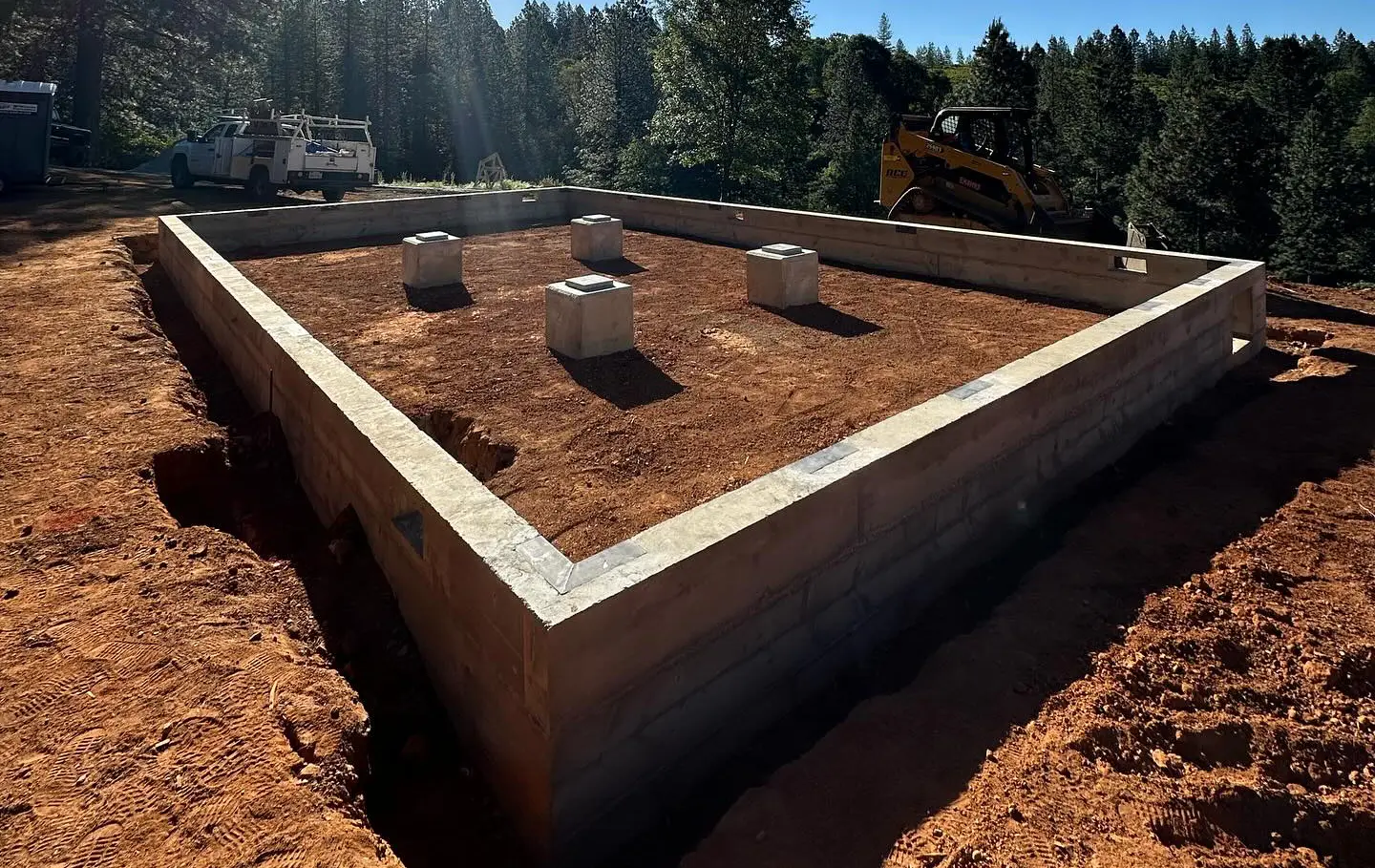
Understanding Foundation Drainage Systems
Foundation drains—also called footing drains or perimeter drains—install at the base of foundation walls to intercept groundwater before it accumulates against the structure. These systems use perforated pipe surrounded by gravel and wrapped in filter fabric, collecting water along the foundation perimeter and directing it to appropriate discharge points.
The basic principle addresses hydrostatic pressure, the force water exerts against foundation walls when soil becomes saturated. Even properly waterproofed foundations face enormous pressure when surrounded by water-saturated soil. Foundation drains relieve this pressure by collecting water and moving it away before it accumulates.
Unlike French drains that handle general property drainage or tight-lines that transport roof water, foundation drains serve one critical purpose: keeping the ground around your foundation from becoming saturated. This specialization makes them essential for any structure with a basement, crawl space, or even slab foundation in areas with high groundwater.
When Foundation Drains Are Critical
New construction represents the ideal time for foundation drain installation. The drainage system installs during foundation work, before backfilling, allowing proper placement and connection without excavation complications. Most building codes in areas with groundwater issues require foundation drainage for good reason—it’s fundamental infrastructure, not optional add-on.
Existing structures showing moisture problems often need foundation drain retrofits. Basement walls that weep after heavy rain, musty odors indicating hidden moisture, or efflorescence (white mineral deposits) on foundation walls all suggest water infiltration that foundation drains address.
Foundation drainage becomes essential when properties experience:
- High water tables that saturate soil during wet seasons
- Clay soils that don’t drain naturally
- Hillside locations where groundwater flows toward structures
- Areas with seasonal flooding or extended wet periods
- Structures with finished basements or below-grade living spaces
Foundation settling and structural cracks often trace back to inadequate drainage. When soil becomes saturated, it expands. When it dries, it contracts. This constant movement stresses foundations, causing cracks and settling that compromise structural integrity. Proper foundation drainage keeps soil moisture consistent, preventing these damaging cycles.
Integration with Complete Water Management
Foundation drains work as part of comprehensive property drainage. They handle groundwater at the foundation level, but water comes from multiple sources. Roof runoff managed by downspouts and tight-lines, surface water collected by catch basins, and general property drainage handled by French drains all work together to keep water away from structures.
The most effective approach combines foundation drains with other drainage infrastructure. Downspouts should connect to drainage systems that carry roof water well away from the building. Surface grading should slope away from foundations. French drains in yard areas should intercept groundwater before it migrates toward the structure. This layered protection addresses water from all sources.
Sump pump systems often work with foundation drains in areas with very high water tables. The foundation drain collects water and routes it to a sump pit. The pump then lifts water to grade level where it enters drainage pipes that carry it to safe discharge locations.
Our Foundation Drain Installation Process
Foundation drainage requires precision installation at the most critical point of your structure. We approach these systems with the same attention to detail we bring to all foundation-level work.
Site Assessment and Planning
We evaluate groundwater conditions, soil types, foundation depth, and appropriate discharge locations. This determines drain placement, depth, pipe sizing, and connection to existing or new drainage infrastructure.
Excavation to Foundation Level
For new construction, we install during foundation work. Retrofit installations require careful excavation along foundation perimeters to access the footing level without compromising structural stability.
Proper Base Preparation
The trench bottom receives a graded gravel base that supports consistent pipe slope throughout the perimeter. Proper slope ensures water flows toward collection points and discharge lines.
Perforated Pipe Installation
We install perforated drain pipe with slots positioned for optimal water collection. The pipe connects to solid discharge lines that carry collected water to storm drains, daylight locations, or other approved discharge points.
Gravel Surround and Fabric Protection
Clean gravel surrounds the pipe, creating pathways for water flow while filtering larger particles. Commercial-grade geotextile fabric wraps the gravel envelope, preventing soil infiltration that would eventually clog the system.
Proper Backfilling
We backfill in controlled layers with appropriate compaction, protecting the drainage system while ensuring soil density that prevents settling near foundations.
For new construction, this process integrates seamlessly with foundation work. Retrofit installations require significantly more excavation but address moisture problems that threaten structural integrity and property value.
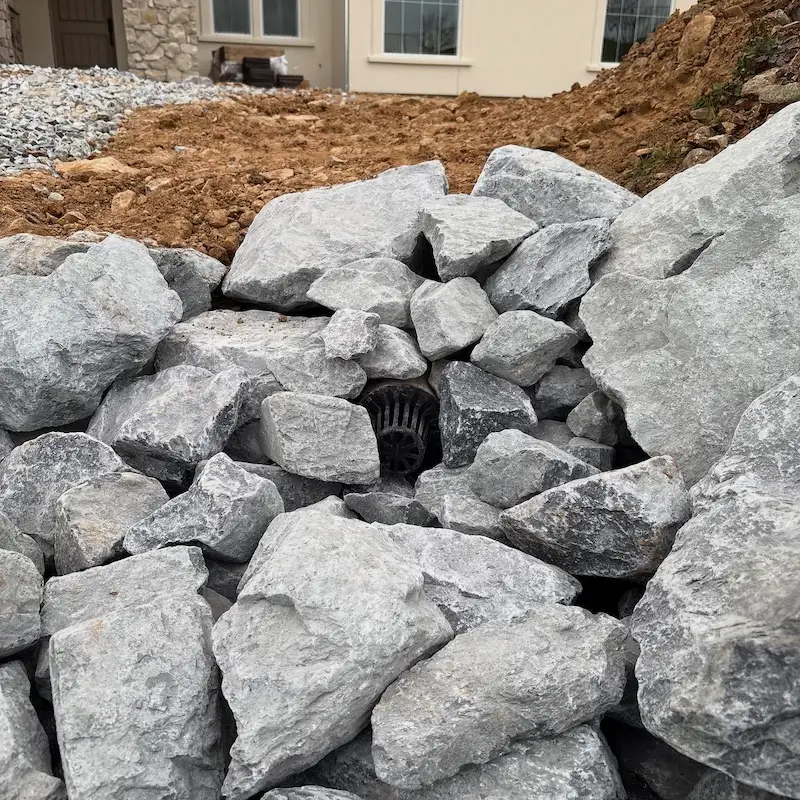
Discharge Planning for Foundation Drainage
Foundation drains collect substantial water volumes during wet seasons. That water needs safe discharge locations that don’t create new problems. We don’t just dump water into convenient areas—we plan discharge that complies with local regulations and prevents erosion or flooding issues.
Discharge to storm water systems works when available and permitted. Many municipalities require connection to existing storm infrastructure when accessible. Pop-up emitters in appropriate locations allow surface discharge where water can safely exit. Dry wells provide on-site dispersal in soil conditions with adequate percolation rates.
The key is ensuring collected water exits completely away from the foundation and doesn’t simply flow back toward the structure from poor discharge placement.
Northern California Service Area Expertise
Our foundation drain installation experience extends throughout El Dorado, Sacramento, Placer, and Amador counties. We’ve worked with diverse soil conditions from clay-heavy valley soils that hold water to decomposed granite in foothill areas with better natural drainage but seasonal groundwater flow.
Regional water table patterns affect foundation drainage design. Valley areas often deal with higher water tables, especially during extended wet winters. Foothill properties face groundwater movement along slopes that can concentrate near foundations. Our installations account for these regional characteristics.
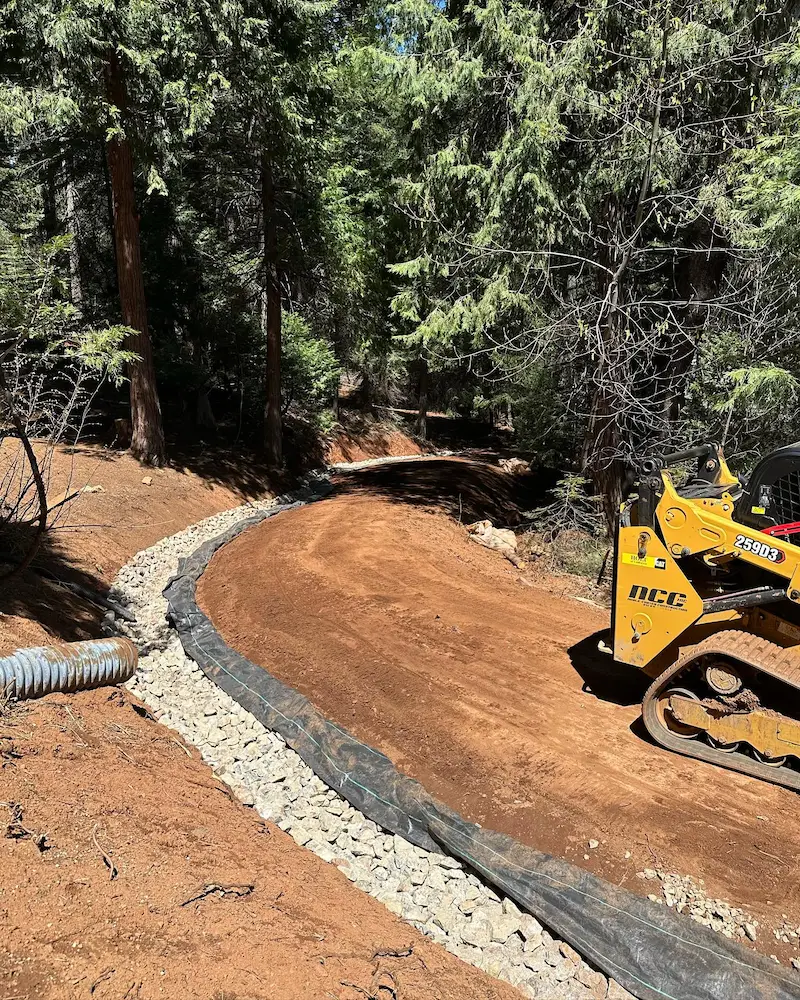
Investment in Structural Protection
Foundation repairs rank among the most expensive home improvements. Underpinning to stabilize settled foundations costs tens of thousands of dollars. Basement waterproofing systems provide band-aid solutions that don’t address why water reaches foundations in the first place. Mold remediation and structural damage from chronic moisture creates ongoing costs that compound over time.
Professional foundation drain installation—whether during new construction or as retrofit work—costs a fraction of repairing foundation damage that inadequate drainage allows. This isn’t cosmetic improvement. It’s fundamental infrastructure that protects your entire structural investment.
The Noble Cortes Advantage™ for Foundation Drainage
Our comprehensive capabilities in excavation, concrete work, and drainage infrastructure mean we understand how these systems integrate with foundation construction. We don’t just install drainage—we understand the structural requirements and best practices for foundation-level work.
Our master tradesmen execute foundation drain installations with the precision this critical infrastructure demands. They’ve worked at foundation level across hundreds of Northern California properties, understanding soil conditions, water table behavior, and proper integration with foundation systems.
Whether installing foundation drains in new construction or retrofitting existing structures showing moisture problems, you work with a single team accountable for proper execution from excavation through final restoration.
Protect Your Foundation Investment
Foundation moisture problems don’t improve with time. Water infiltration progressively damages structural elements, encourages mold growth, and creates conditions that threaten both property value and occupant health. The longer water accumulates against foundations, the more extensive and expensive repairs become.
Contact Noble Cortes General Engineering to schedule your foundation drainage assessment. We’ll evaluate your property’s groundwater conditions and design drainage solutions that protect your foundation for decades to come.
Professional foundation drain installation from Northern California’s premier general engineering specialists—because your foundation deserves infrastructure that works as hard as the structure it supports.
