
Emergency Road Repair Services in Northern California
Flash floods don’t negotiate with infrastructure. When Northern California’s intense winter storms dump several inches of rain in hours, inadequate drainage overwhelms culverts, water sheets across roads, and concentrated flow erodes base materials that took years to compact. What functioned fine yesterday becomes impassable today—and worsens with every hour water continues flowing.
Emergency road repair addresses storm damage that cuts off property access or creates dangerous conditions. The difference between roads that return to service within days versus weeks of reconstruction often comes down to how quickly experienced crews respond with proper equipment. Delays allow water to continue eroding underlying materials, expanding what could have been a localized repair into complete road reconstruction.
Storm Damage That Requires Emergency Response
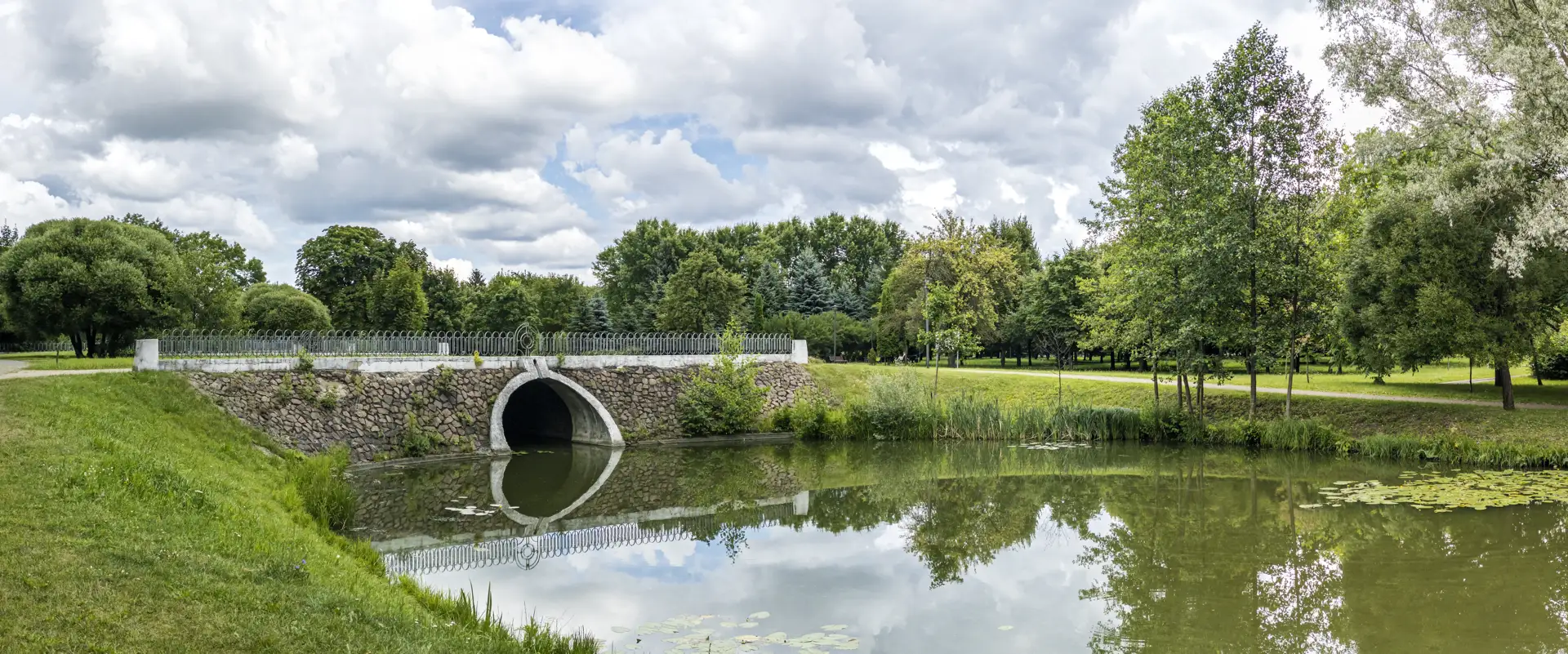
Washouts occur when water overwhelms drainage capacity and flows across road surfaces. The moving water erodes soil beneath paved or gravel surfaces, creating voids that cause roads to collapse. Small washouts expand rapidly as flowing water undercuts adjacent areas and progressively destroys longer road sections.
Failed embankments happen when saturated soil loses stability. Roads built on fill or crossing slopes develop slides when heavy rain saturates underlying materials. The road surface may appear intact initially, but the supporting structure is failing and will collapse under traffic loads.
Critical road failures requiring immediate response:
- Culvert failures causing water to flow over roads
- Erosion creating deep channels across road surfaces
- Undermined road edges and shoulder failures
- Collapsed sections leaving gaps or dangerous dropoffs
- Landslides covering or destroying road segments
- Multiple small failures that compound access problems
Shoulder erosion threatens road stability even when the main driving surface remains intact. Water flowing along road edges progressively undercuts shoulders, and without intervention, the damage extends into travel lanes.
Debris accumulation blocks drainage and creates new problems. Storm runoff carries branches, rocks, and sediment that clog culverts and drainage ditches. When water can’t flow through designed paths, it creates new channels across roads.
Why Immediate Response Prevents Escalating Damage
Active erosion continues until water flow stops or gets redirected. A washout that affects 10 feet of road today will affect 20 feet tomorrow if water keeps flowing. The repair cost and complexity increase proportionally with delay.
Access matters for more than convenience. Rural and foothill properties depend on private roads for emergency services, medical access, and basic needs. Extended road failures create genuine safety concerns that worsen with time.
Secondary damage often exceeds the initial storm impact. Water flowing across a failed road section doesn’t just affect that spot—it erodes downstream areas, undermines adjacent infrastructure, and can damage structures if flow reaches buildings.
Temporary repairs beat no repairs when storms continue. Northern California’s winter weather often arrives in successive systems. Addressing initial damage before the next storm prevents compounding problems and allows time for permanent repairs between weather events.
Our Emergency Road Repair Process
Emergency response prioritizes access restoration and damage stabilization, followed by permanent repairs when conditions allow. The approach varies based on damage severity and ongoing weather threats.
Rapid Assessment
We evaluate damage extent, identify immediate hazards, and determine access restoration priorities. This includes assessing whether adjacent road sections remain stable or risk imminent failure.
Emergency Access Restoration
For complete road failures cutting off property access, we establish temporary routes or restore partial access using available materials and equipment. This may involve grading bypass routes or placing temporary fill.
Water Management
We redirect water flow causing active erosion. This might include clearing clogged culverts, installing temporary drainage, or diverting water around damaged sections until proper repairs can proceed.
Stabilization Work
We stabilize failed areas to prevent additional damage. This includes placing riprap or other erosion control, compacting exposed areas, and securing unstable embankments.
Permanent Repair Execution
When conditions allow, we execute complete repairs including proper base reconstruction, drainage installation or repair, and final surfacing. This may require multiple phases if inclement weather remains active.v
Weather conditions affect repair sequencing. Heavy rain prevents proper compaction and makes some repairs impossible. We time permanent work for conditions that support quality execution while maintaining emergency access.
Equipment for Effective Storm Response
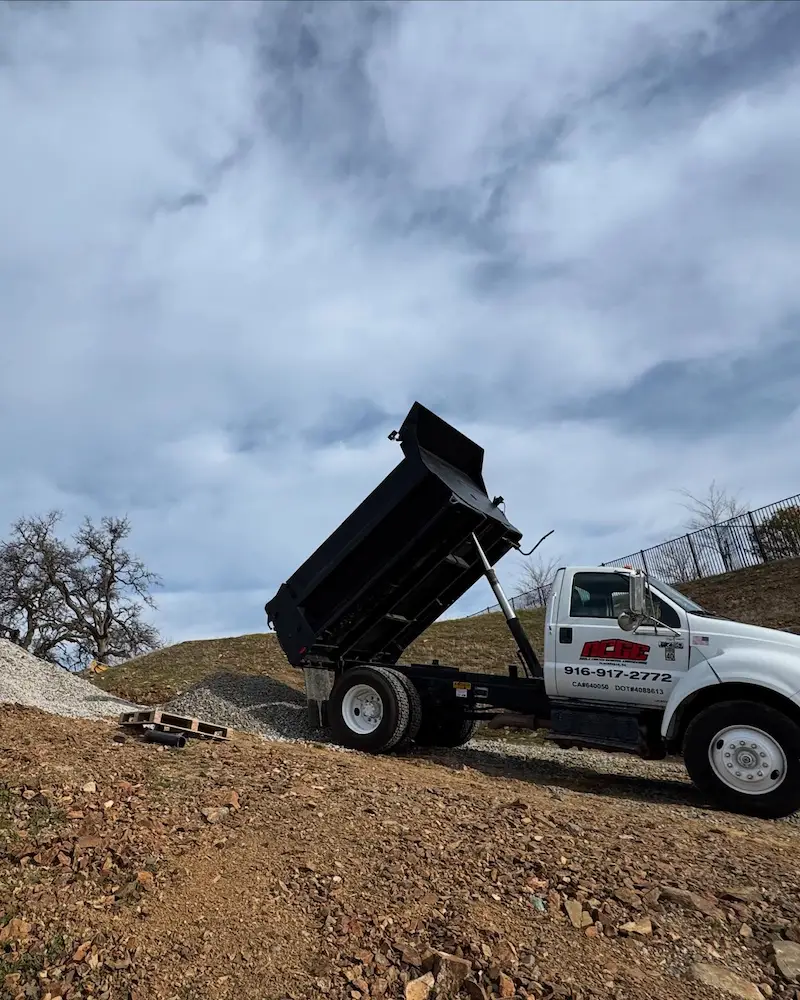
Emergency road repair requires heavy equipment capable of moving significant material quickly. We respond with excavators for removing debris and damaged materials, loaders for placing fill and aggregate, dump trucks for material delivery, and compaction equipment for proper base restoration.
Most emergency situations need multiple pieces of equipment working simultaneously. A single excavator clears debris while another excavates failed sections. Dump trucks shuttle materials as loaders place and spread base rock. This coordinated response happens because we own comprehensive equipment fleets.
Generator-powered lighting allows night work when needed. Some emergency situations require immediate response regardless of daylight. We maintain equipment and capabilities for round-the-clock operations during severe weather events.
Materials and Resources
Emergency repairs often require immediate material delivery. We maintain relationships with material suppliers throughout Northern California and can secure aggregate, fill, culvert pipe, and other materials even during storms when demand spikes.
Riprap for erosion control, drain rock for temporary drainage, base aggregate for road reconstruction—we source appropriate materials based on specific repair requirements and long-term performance needs.
Some situations require creative solutions with available materials. When storms close material supply routes, experienced crews work with what’s accessible while planning permanent repairs for when full material selection becomes available.
Northern California Storm Patterns and Response
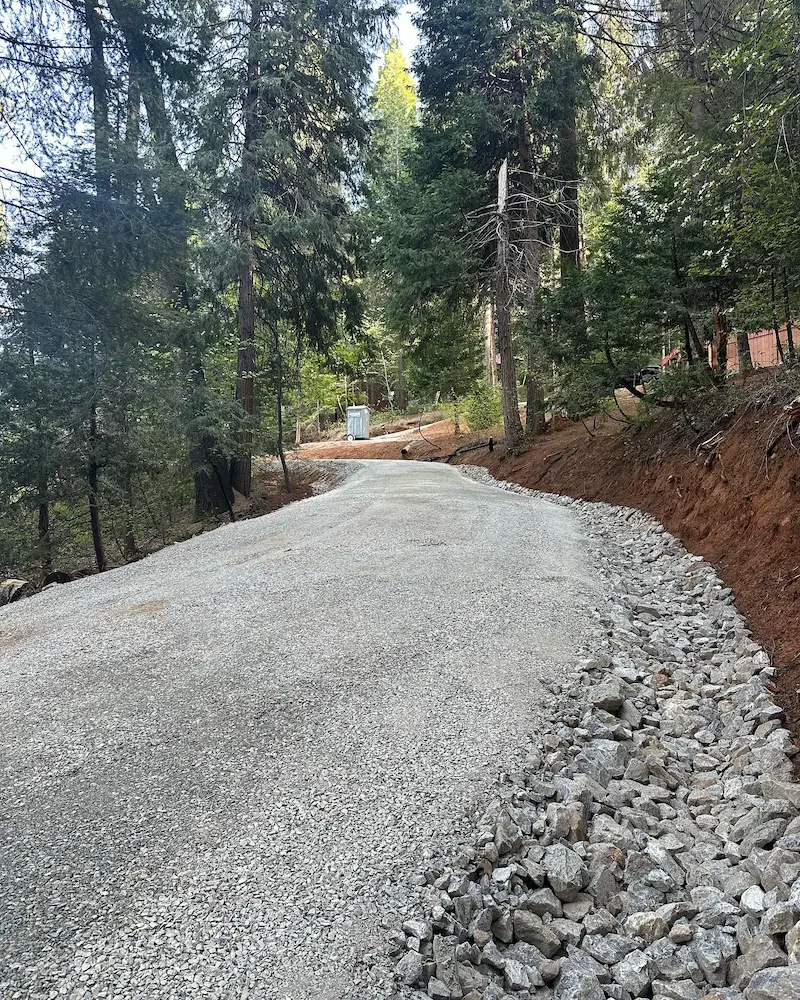
El Dorado and Placer county foothill areas face the most significant storm-related road damage. Steep terrain, seasonal creeks, and intense rainfall create conditions that overwhelm inadequate drainage and erode road infrastructure.
Atmospheric rivers—the narrow bands of concentrated moisture that cause Northern California’s most intense rainfall—create sudden flooding that damages roads within hours. These events require rapid response to prevent escalating damage.
Valley flooding, while less frequent, still creates road damage requiring emergency response. Sacramento and surrounding areas occasionally experience overflow from swollen rivers and creeks that floods roads and undermines infrastructure.
Seasonal patterns affect planning. California’s Mediterranean climate concentrates rainfall in winter months, typically November through March. Storm damage occurs primarily during this period, with early-season storms often catching properties unprepared.
Working with Property Owners and Communities
Private roads serving multiple properties require coordination among owners. We can work directly with homeowner associations, community groups, or individual property owners on shared road repairs.
Cost-sharing arrangements often apply to private roads serving multiple parcels. Emergency situations require immediate action, with formal cost allocation handled after access restoration stabilizes the situation.
Some emergency repairs qualify for FEMA assistance or insurance coverage. We document work thoroughly to support claims and reimbursement requests, providing necessary records for property owners pursuing assistance.
The Noble Cortes Advantage™ for Emergency Road Repair
Our excavation expertise and heavy equipment fleet enable immediate, effective response. We arrive with the machines needed to move significant material, not pickup trucks requiring equipment rental before starting work.
Master tradesmen who’ve managed storm damage across hundreds of Northern California properties understand the difference between temporary access restoration and permanent repairs. They assess underlying problems, execute solutions that address root causes, and prevent recurring failures.
Comprehensive capabilities mean we handle all repair aspects. Culvert replacement, drainage installation, base reconstruction, erosion control—we execute complete repairs without coordinating multiple subcontractors during emergencies.
Restore Access and Prevent Further Damage
Storm-damaged roads worsen until properly addressed. Active erosion continues, access remains compromised, and each passing vehicle causes additional damage to weakened infrastructure.
Contact Noble Cortes General Engineering for emergency road repair services. Our crews respond rapidly with the equipment and expertise to restore access and prevent escalating storm damage.
Professional emergency road repair from Northern California’s premier general engineering specialists—because when storms wash out your access, you need contractors who respond immediately with heavy equipment, not promises.
