
Emergency Tree Removal Services in Northern California
Wind storms and winter weather topple trees across Northern California driveways and access roads without warning. One moment you have clear access, the next a mature oak or pine blocks your route completely. These aren’t landscaping projects you can schedule for next week—they’re emergencies requiring immediate response with proper equipment before emergency services can reach your property or residents can leave.
Emergency tree removal addresses storm-damaged trees blocking access routes or creating immediate hazards. The difference between restoring access within hours versus days often comes down to contractor response time and equipment availability. Trees blocking roads don’t move themselves, and attempting removal without proper equipment and experience creates dangerous situations.
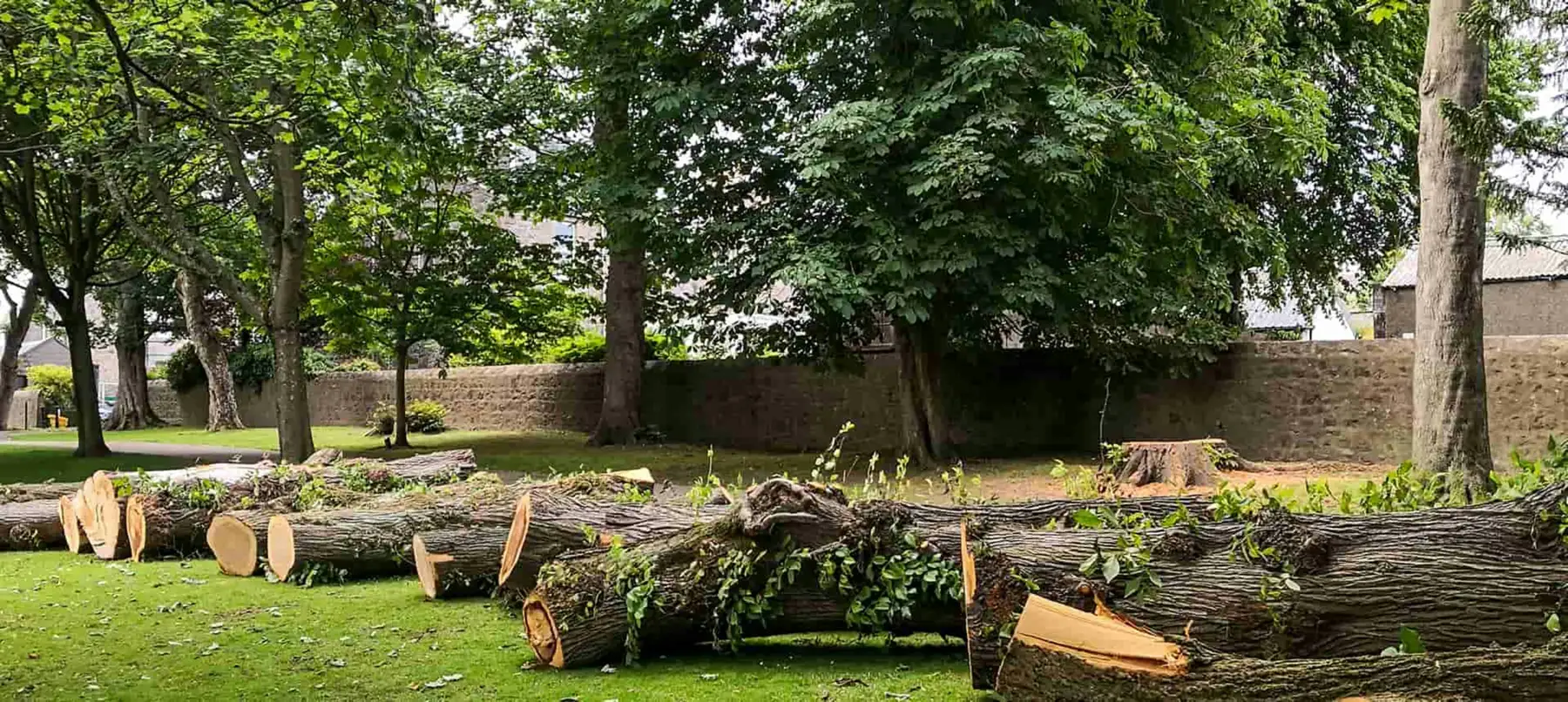
Storm Damage Creating Tree Emergencies
High winds topple trees during severe weather events. Northern California’s foothill areas experience wind storms that snap or uproot trees, dropping them across driveways and private roads. These failures happen during active storms when access for professional removal is most critical and most challenging.
Heavy snow loads break limbs and topple trees. El Dorado and Placer county properties experience winter storms that accumulate significant snow in tree canopies. The weight breaks large limbs or causes entire trees to fall, blocking access routes during periods when snow also complicates removal efforts.
Tree failures requiring emergency removal:
- Complete trees blocking driveways or roads
- Large limbs obstructing access routes
- Trees leaning dangerously over structures or roads
- Storm-damaged trees creating imminent fall hazards
- Multiple downed trees requiring coordinated removal
- Trees entangled with power lines or utilities
Saturated soil weakens root systems. Extended winter rain saturates soil, reducing root holding capacity. Trees with compromised root systems topple even in moderate winds, creating sudden access blockages.
Lightning strikes and fire damage compromise tree stability. While less common than wind or snow damage, these events create hazardous trees requiring immediate removal before they fall unpredictably.
Why Storm-Damaged Trees Require Immediate Response
Access matters for safety and emergencies. Properties cut off by downed trees can’t receive ambulance, fire, or law enforcement response. Medical emergencies, fire threats, and other urgent situations become exponentially more dangerous when emergency services can’t reach properties.
Storm-damaged trees under tension create extreme hazards. Trees bent or pinned by their fall position store tremendous energy. Attempting removal without understanding these forces causes violent, unpredictable movement that injures people and damages property. This isn’t work for chainsaws and pickup trucks—it requires proper equipment and training.
Weather windows between storm systems provide limited removal opportunities. Northern California winter storms often arrive in sequences. Trees downed by the first storm must be removed before the next system arrives, creating urgent timelines for restoration work.
Vehicle damage and liability increase with delay. Property owners or visitors attempting to drive around or over downed trees risk vehicle damage. If someone gets injured in the attempt, liability questions arise about whether reasonable efforts were made to address known hazards promptly.
Our Emergency Tree Removal Process
Storm-damaged tree removal requires assessing hazards, using appropriate equipment, and clearing debris safely. Our approach prioritizes safety while restoring access as quickly as conditions allow.
Hazard Assessment
We evaluate tree position, tension forces, entanglement with other trees or structures, and utility involvement. This assessment determines safe removal methods and identifies risks requiring special handling.
Utility Coordination
Trees involving power lines require utility company notification and often their presence during removal. We coordinate with PG&E or other providers when trees contact or threaten electrical infrastructure.
Strategic Sectioning
We section trees systematically, relieving tension safely and moving material progressively. This controlled approach prevents the violent shifting that makes storm-damaged tree removal dangerous.
Equipment-Based Removal
We use excavators with grapples, loaders, and other heavy equipment to move large sections safely. This equipment-based approach handles material sizes and weights that manual methods can't address safely.
Access Route Clearing
We prioritize clearing sufficient width for vehicle passage, stacking or removing debris to restore access functionality quickly.
Complete Cleanup
When immediate access restoration allows, we complete debris removal, haul away material, and restore disturbed areas to pre-storm conditions.

Expertise Required for Storm-Damaged Trees
Storm-damaged trees behave differently than trees removed in controlled situations. Tension forces, unstable positions, and damage-compromised wood create hazards requiring specific expertise.
Understanding wood fiber mechanics prevents dangerous situations. Trees bent or pinned by their fall position store enormous energy. Cutting in wrong locations or sequences causes violent, unpredictable releases that injure operators and damage equipment.
Heavy equipment operation near trees under tension requires experienced operators. Incorrect attachment points or pulling directions can cause sudden, dangerous tree movement.
Our crews have managed storm tree removal across hundreds of Northern California properties. They understand the forces involved, recognize hazards, and execute removals safely even under challenging conditions.
Limitations and Utility Coordination
Trees involving power lines require utility company involvement. We coordinate removal timing with PG&E or other providers, but actual removal often waits until utilities clear electrical hazards. This sometimes delays access restoration despite our immediate response.
Extremely unstable trees may require specialized rigging or cranes. While our equipment handles most storm tree removal, occasional situations require specialized contractors with specific capabilities we don’t maintain.
Active storm conditions sometimes prevent safe removal. High winds, lightning, or other dangerous weather may require waiting for conditions to improve despite urgent access needs. Safety takes precedence over speed.
The Noble Cortes Advantage™ for Emergency Tree Removal
Our heavy equipment fleet provides capabilities most tree service companies lack. While traditional tree services use bucket trucks and chippers, we bring excavators and loaders that move massive sections safely and restore access faster.
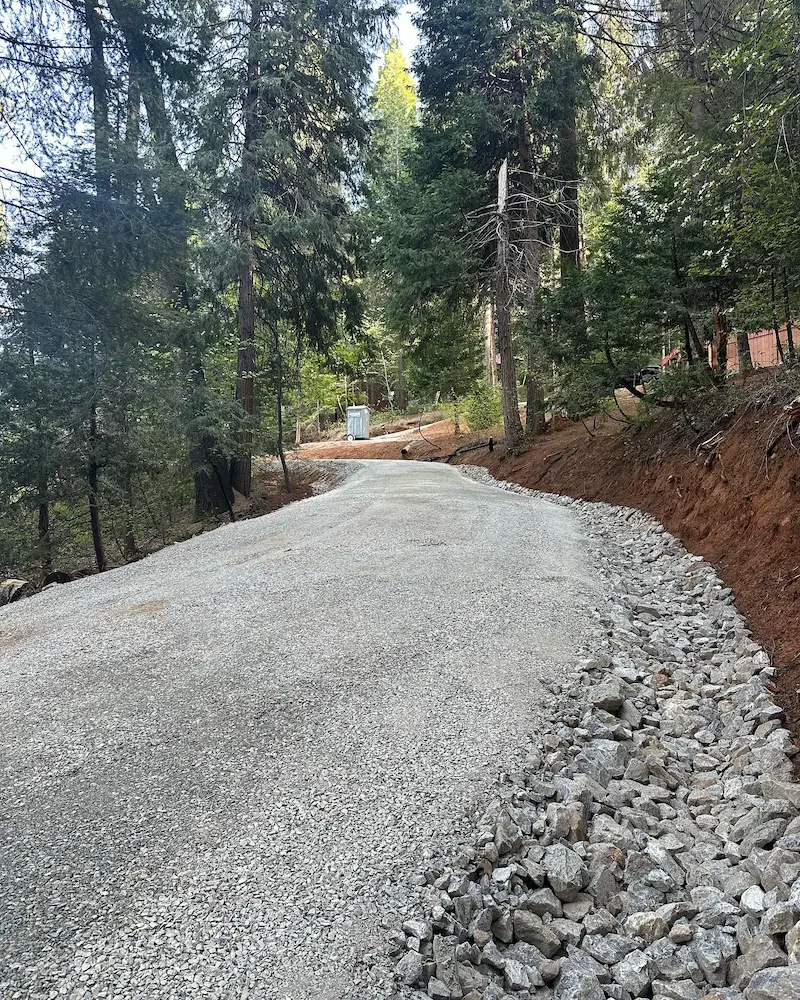
Comprehensive capabilities mean we handle both tree removal and access route repairs. Trees often damage roads or driveways when they fall. We repair underlying infrastructure while addressing tree removal, coordinating work that would otherwise require multiple contractors.
Local presence throughout Northern California enables faster response than tree services based outside the region. When storms hit, we’re already positioned for rapid deployment with appropriate equipment.
Restore Access and Safety
Storm-damaged trees blocking access create safety risks that increase with time. Emergency services can’t reach properties. Residents can’t leave. Attempting removal without proper equipment risks injury and property damage.
Contact Noble Cortes General Engineering for emergency tree removal services. Our crews respond immediately with heavy equipment and expertise to safely clear storm-damaged trees and restore access.
Professional emergency tree removal from Northern California’s premier general engineering specialists—because when storms drop trees across your access, you need contractors with excavators and expertise, not just chainsaws and good intentions.
