
Asphalt Paving Removal and Replacement (Asphalt R&R)
NCGE performs asphalt paving removal and replacement (asphalt R&R) for residential, commercial, and municipal properties throughout Northern California. NCGE assesses how far the failure extends, removes what has failed, corrects the foundation beneath it, and installs new pavement built to carry its intended loads. As a licensed asphalt contractor, NCGE handles the entire project with one accountable team and its own heavy equipment.
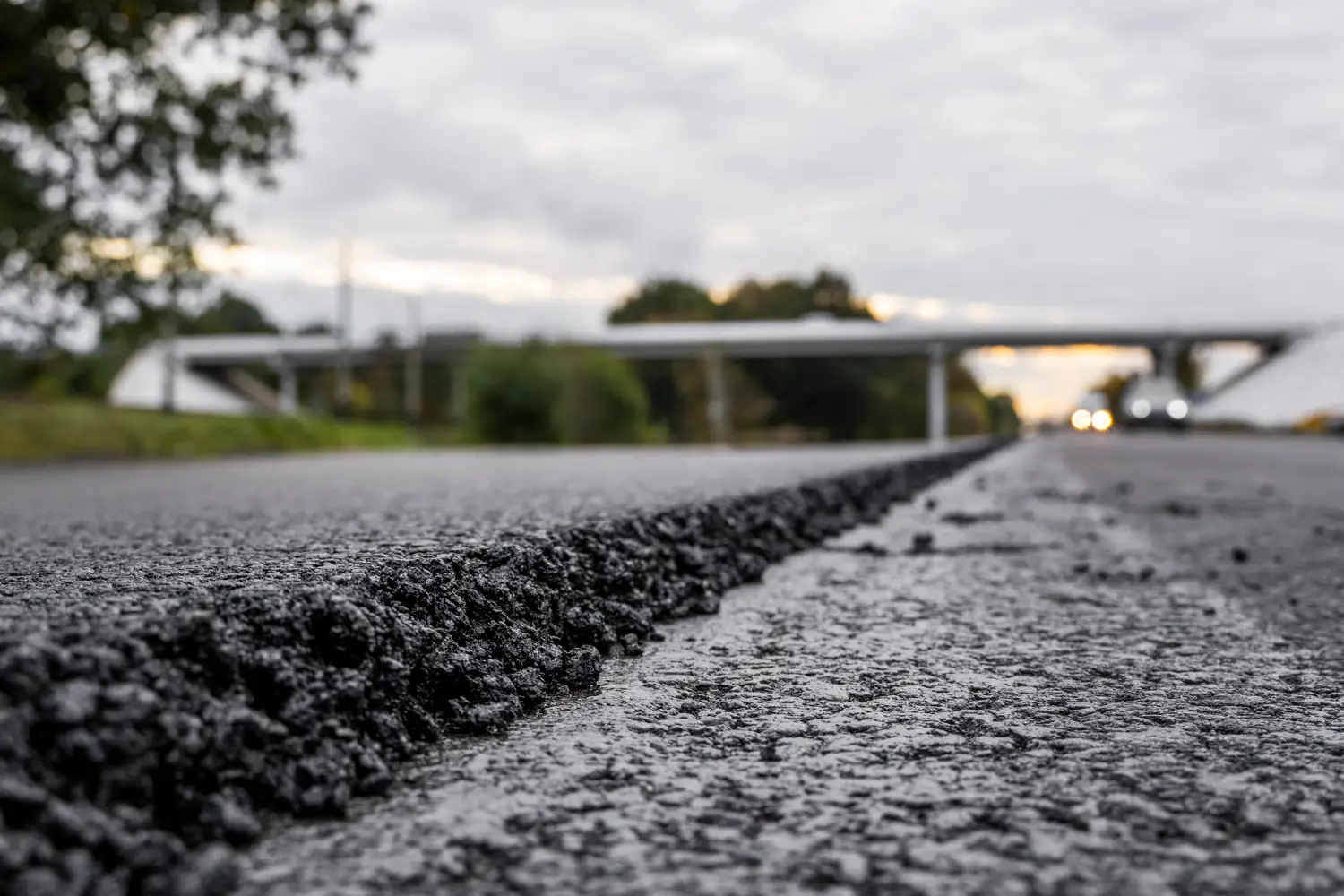
What Does Our Asphalt Paving R and R Service Include?
Our asphalt R&R includes two connected phases. The first phase removes the existing pavement and clears the site. The second phase prepares the foundation and installs the replacement pavement. NCGE performs both phases in sequence as a single coordinated project.
Asphalt Removal Includes
- Demolition and extraction - Removing existing asphalt pavement using the appropriate heavy equipment.
- Heavy machinery execution - Using specialized machinery, including milling equipment, for efficient pavement removal and extraction.
- Partial or full extraction - Removing only the failed pavement where appropriate, or performing full-depth removal when the pavement structure requires reconstruction.
- Cleanup and post-removal - Clearing the work area and preparing it for reconstruction.
- Debris haul-off - Transporting removed asphalt and construction debris off the site.
- Material recycling - Recycling or reclaiming suitable asphalt materials into reclaimed asphalt pavement (RAP) where possible.
- Subgrade inspection - Inspecting the exposed pavement foundation to identify conditions that affect the replacement scope.
Asphalt Replacement Includes
Replacement happens in two stages, base preparation followed by new asphalt installation.
- Base repair and grading - NCGE inspects the pavement foundation, repairs or replaces failed base materials, adds new aggregate where needed, and grades and prepares the surface for proper drainage.
- New asphalt installation - NCGE installs the required pavement layers, places and compacts the new asphalt, and completes edges, transitions, and final surface work.
What Types of Asphalt Pavement Replacement Do We Offer?
Asphalt pavement replacement can be performed on a specific damaged area or across an entire pavement surface, depending on the extent and cause of the failure. NCGE uses various replacement methods based on the condition of the existing asphalt, base, and underlying soil.
Partial or Area-Specific Asphalt Replacement
When pavement failure is limited to a specific section, we remove and replace the affected area without necessarily replacing the entire surface. This approach suits a damaged section of a parking lot, driveway, road, or sports court when the surrounding pavement remains structurally sound.
Full Asphalt Pavement Replacement
When the pavement has widespread deterioration or structural failure, a full replacement may be required. This involves removing the existing asphalt and, where necessary, reconstructing the underlying base and foundation before installing new pavement.
Mill and Overlay
When the underlying pavement structure remains suitable but the asphalt surface needs rehabilitation, NCGE mills off the existing surface layer and replaces it with new asphalt.
Depending on project conditions, other pavement rehabilitation methods, including full-depth reclamation (FDR) and cold in-place recycling (CIR), may also be used to rehabilitate and reconstruct existing pavement.
FDR: FDR pulverizes the entire asphalt layer and a portion of the underlying road base to fix deep structural issues (6 to 12+ inches deep)
CIR: CIR mills and treats only the upper asphalt layers to repair surface cracks (2 to 5 inches deep)
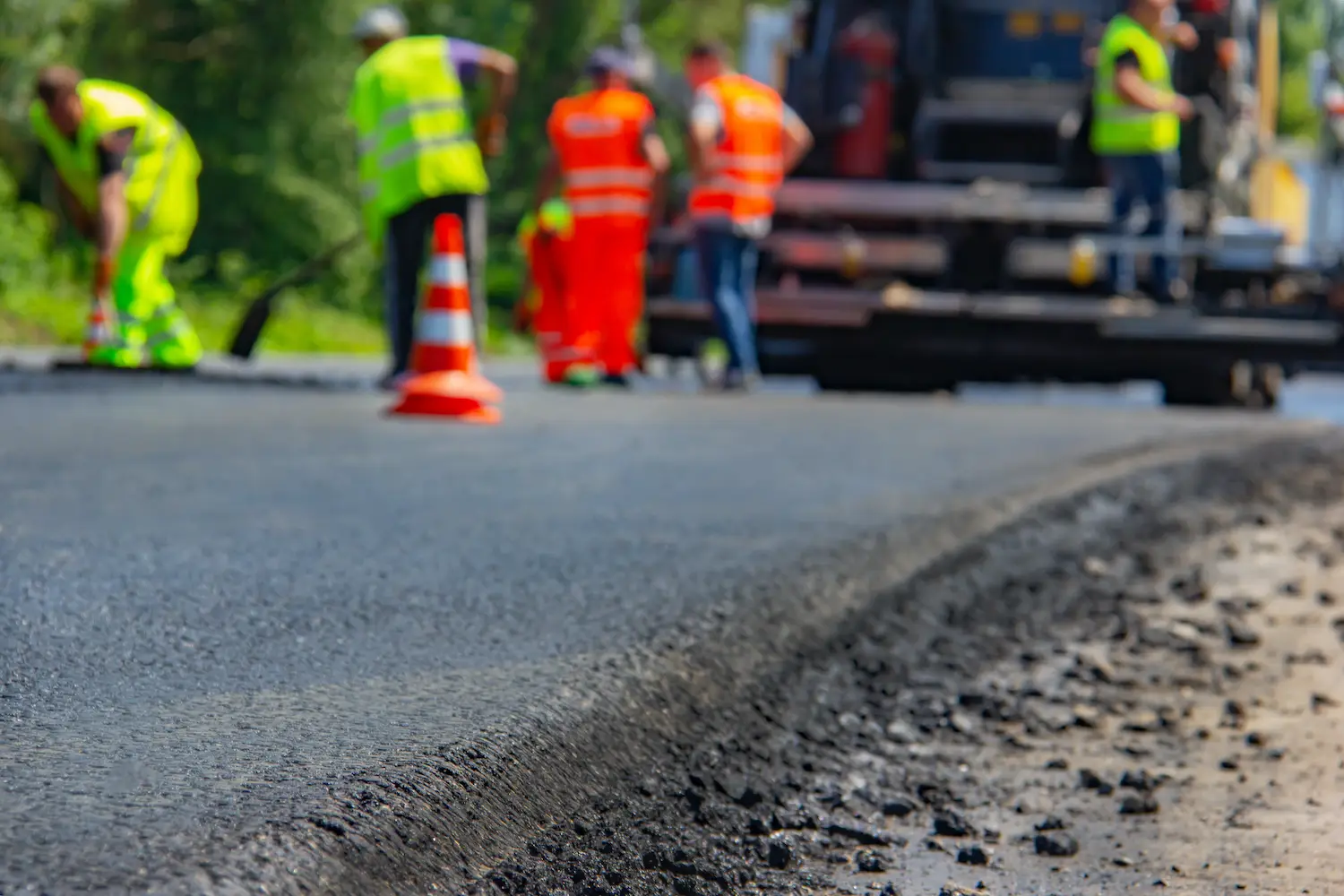
How Do We Address Water and Drainage-Related Failure During Asphalt Paving Replacement?
NCGE addresses areas where water collects, improves grading to move water off the surface, and prepares the pavement structure to promote proper water flow. Correcting drainage during replacement is what keeps the new pavement from failing the same way the old one did.
How Do We Reconstruct and Reinstall the Replaced Pavement?
Once the failed pavement is removed and the foundation is prepared, we rebuild the pavement structure and install the new asphalt. This is the replacement phase described above, carried through to a finished, compacted surface.
For the full construction methodology, including mix design, asphalt specifications, and the paving process, see our asphalt paving installation service. The installation page shows you how the new pavement is built.
The Noble Cortes Advantage ™
Proper Preparation
- Thorough site evaluation and proper drainage planning
- Removal of unsuitable materials and structural weakness
- Precise grading and comprehensive base preparation
- Appropriate compaction that prevents future settlement
Material Quality
- Premium hot-mix asphalt formulations appropriate for each application
- Correct temperature maintenance during transport and installation
- Proper mix designs that balance durability with workability
- Quality control at every stage of the paving process
Installation Expertise
- Professional grading and slope management for proper drainage
- Consistent compaction techniques that ensure uniform density
- Precise seam work that prevents future failure points
- Clean edge work and transitions between surfaces

What Are the Common Asphalt Replacement Materials?
NCGE selects the replacement material based on project requirements. The materials most commonly used are:
Hot Mix Asphalt (HMA)
Warm Mix Asphalt (WMA)
Porous Asphalt
Recycled / Reclaimed Asphalt Pavement (RAP)
What Asphalt Pavement Types Do We Remove and Replace?
We perform asphalt R and R across the pavement types that fail most often, and each is scoped to its own loads and standards.
Parking Lot Replacement
For failed parking lots, we typically perform full-depth removal and replacement because heavy daily traffic usually breaks down the base across the whole lot.
Driveway Replacement
For residential and commercial driveways, we usually replace the full driveway when cracking is widespread, or handle area-specific replacement when the failure is contained to one section.
Private Road Removal and Replacement
For private and access roads, we most often perform full-depth replacement because concentrated loads over long stretches tend to cause structural failure rather than surface-only wear.
Public Street Removal and Replacement
For public streets and roadways, we perform removal and replacement to municipal standards, and often mill and overlay when the base is sound and only the surface needs rebuilding.
Paths and Trails Removal and Replacement
For paths and trails, we typically handle area-specific replacement, since failure is usually localized to root-lifted or cracked sections rather than the full run.
Sports Court Removal and Replacement
For sports courts, we usually provide area-specific replacement, because these surfaces often fail in patches from standing water and freeze-thaw rather than all at once.
How Much Does Asphalt Removal and Replacement Cost in Northern California?
Asphalt removal and replacement in Northern California ranges from $7 to $15 per square foot for standard projects. Because of elevated fuel costs, strict environmental regulations, and high labor rates, projects in the Bay Area usually range from $10 to $15+ per square foot. Projects in the Central Valley or Sacramento region typically range between $8 and $11 per square foot.
| Cost Component | Typical Northern California Range |
|---|---|
| Full-depth removal and replacement | $7 to $15 per square foot |
| Asphalt removal only | $3 to $7 per square foot |
| Mill and overlay | $4.50 to $7.50 per square foot; $7.00 to $10.00 per square foot (ADA) |
| Disposal and hauling of removed asphalt | $30 to $150 per ton |
The ranges above reflect typical Northern California pricing and are estimates. NCGE provides a firm quote after assessing the pavement.
The main factors that drive the price are the size of the project, the depth of removal, the condition of the pavement and base, the extent of excavation or reconstruction, drainage requirements, the asphalt material and project specifications, and hauling and disposal needs. Full-depth work costs more than partial or mill-and-overlay work because it rebuilds the entire structure.
Why Choose NCGE for Asphalt Pavement Removal and Replacement?
NCGE is a licensed general engineering contractor that manages the full scope of an asphalt R&R project with its own asphalt, concrete, excavation, and heavy equipment capabilities. Property owners do not have to coordinate a demolition crew, a grading contractor, and a paving company separately because one accountable team carries the project from removal through replacement.
From Foundation to Finish
We handle every phase of removal and replacement in-house, from tearing out failed pavement to placing the final lift. That eliminates the coordination headaches and quality inconsistencies that come with juggling separate demolition, grading, and paving contractors.
Mastery in Motion
Our tradesmen bring decades of asphalt and heavy-civil expertise to every project, with the meticulous attention to detail that structural R&R of asphalt work demands beneath the surface and at the finished grade.
Precision Project Management
From the initial pavement assessment through final inspection, we provide comprehensive management that streamlines communication and keeps quality consistent across removal, base correction, drainage, and replacement.
Ready to Discuss Your Asphalt Paving Replacement?
Request an estimate for your asphalt removal and replacement project, and NCGE will evaluate the pavement and recommend the right removal and replacement approach for your property.
Frequently Asked Questions
How long does asphalt removal and replacement take?
Most commercial asphalt paving R and R projects take about 14 days, and often a few additional days for initial curing. A residential driveway can take up to 7 days. Weather changes, such as rain and cold temperature, can sometimes increase the duration.
How long does replaced asphalt last?
A properly replaced asphalt pavement can last up to 25 years or more in Northern California, depending on traffic and maintenance. With less maintenance, it may last up to 15 years.
How do you maintain replaced asphalt?
Crack and fog seals are the most appropriate for pavement maintenance. They can extend the life of pavement by 1 to 4 years, according to the U.S. Department of Transportation.
What is asphalt milling?
Asphalt milling is a controlled removal method that grinds off existing asphalt to a set depth using a milling machine. It suits surface removal and mill-and-overlay work and produces reclaimed asphalt that can be recycled.
What happens to old asphalt after removal?
NCGE hauls the removed asphalt off-site and recycles it into reclaimed asphalt pavement (RAP) where possible, rather than sending it to landfill. Hauling, disposal, and recycling are handled as part of the project.
